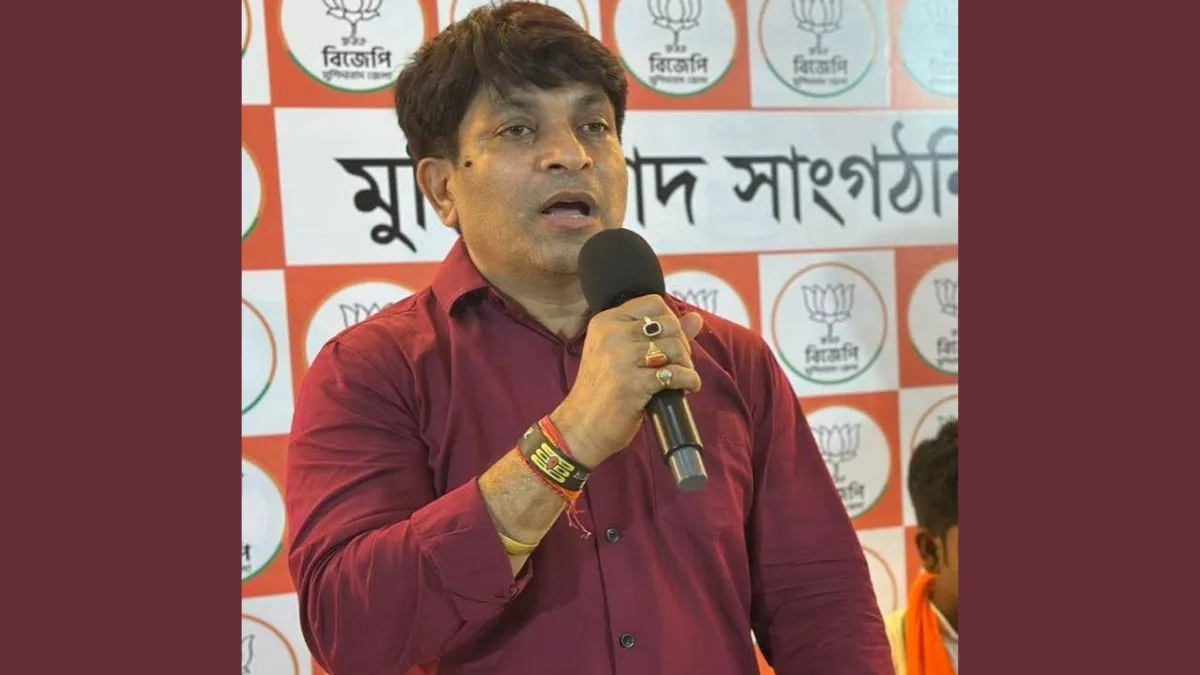
One Critically Injured In Road Accident In Kolkata
The victim who was on a motorcycle attempted to overtake the bus from behind and head straight towards Red Road, only to end up under its wheels.
Recently the Satyajit Ray Auditorium at Indian Council for Cultural Relations buzzed with vibrant hues and rhythmic grace as the Brahma Kamal Institute of Dance and Drawing presented its 14th annual programme.




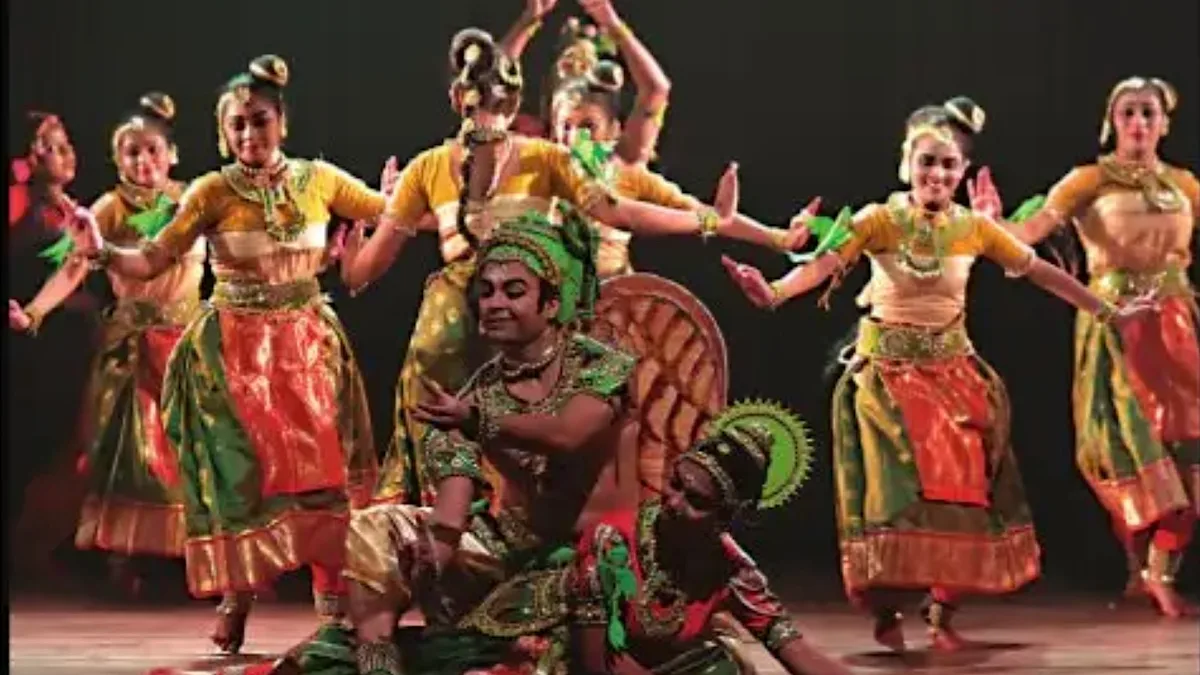
Photo:SNS
Recently the Satyajit Ray Auditorium at Indian Council for Cultural Relations buzzed with vibrant hues and rhythmic grace as the Brahma Kamal Institute of Dance and Drawing presented its 14th annual programme. Naandi Festival 2025, funded by the production grant from the Ministry of Culture, Government of India, stood as a testament to the institute’s commitment to nurturing India’s classical and contemporary artistic traditions.
The event was graced by distinguished personalities from diverse cultural spheres including Vid. Sutapa Talukder; Vid. Polly Guha; Debasish Kumar, Member Mayor in Council, K.M.C; Uday Kumar Das, Organising Secretary, Sanskar Bharati; Abhijit Chatterjee; eminent Bharatanatyam dancers Guru Abhoy Pal and Krishna Pal; Mridangam artist Vid. Shankar Narayanaswamy, Tarun Bose, Satinath Mukhopadhyay and artist Devlina Kumar. The programme unfolded in three segments. It opened with a heartfelt homage to Padma Vibhushan Guru Kelucharan Mohapatra, the legendary Odissi exponent.
Advertisement
The director of the institute, Sabarnik De, presented a solo rendition of ‘Yami he Kamiha Smaranam’ from Jayadev’s Geeta Govinda, evoking the aching pathos of a weeping Radha. The performance led the audience through a cathartic emotional journey rooted in timeless choreography and poetic depth. However, the highlight of the festival was ‘Ripu Samhaar’.The dance-drama retold the mythological immolation of Ananga by Lord Shiva, drawing inspiration from Kalidasa’s ‘Kumarsambhava’ and the evocative poetry of Kazi Nazrul Islam. Directed by De himself, the production stood out for its visual splendour, choreography and thematic intensity. Music composed by Pratik Chakraborty and Pratim Chakraborty, coupled with the narration by Satinath Mukhopadhyay, elevated the presentation and earned applause from the audience.
Advertisement
The key roles were essayed by Subhajit Das as Shiva, Srimoyee Deb as Parvati, Sabarnik De as Kamadeva, Sulagna Chowdhury as Rati and Sourav Deb as Vasanta. The final segment, ‘Arghya’ showcased the discipline of the institute’s junior students. The performances were set to the timeless melodies of Rabindranath Tagore and other notable artists. Highlights included the patriotic ‘Vande Mataram’- an ode to Mother India, and the lyrical ‘Barisho Dhawra Maajhey’. The young dancers’ display reflected a year of dedicated training. Alongside dance, selected artworks by students of the drawing wing were also exhibited. This emphasised the institute’s dual focus on movement and visual art. Speaking to The Statesman, Sabarnik De reflected on the journey of the institute. “Our institute was established in 2011, and from 2012 we have been celebrating our annual programme every year.
This is our 14th year. The main goal of the institute is that it is a non-profitable institute where we teach dance and drawing to preserve Indian culture and tradition,” De said. He further added, “Odissi and Indian contemporary inspired by Uday Shankar, and visual arts coexist here. Even our costumes, ornaments and movements are inspired from ancient murals, temple sculptures and heritage paintings. This year, honouring Guru Kelucharan Mohapatra and presenting the dance-ballet ‘Ripu Samhaar’ was our special focus.” The programme concluded with the presentation of awards to annual examination rank holders, alongside the prestigious “Partha-Sarathi” and “Kalakriti” awards honouring promising talents in dance and drawing.
Advertisement